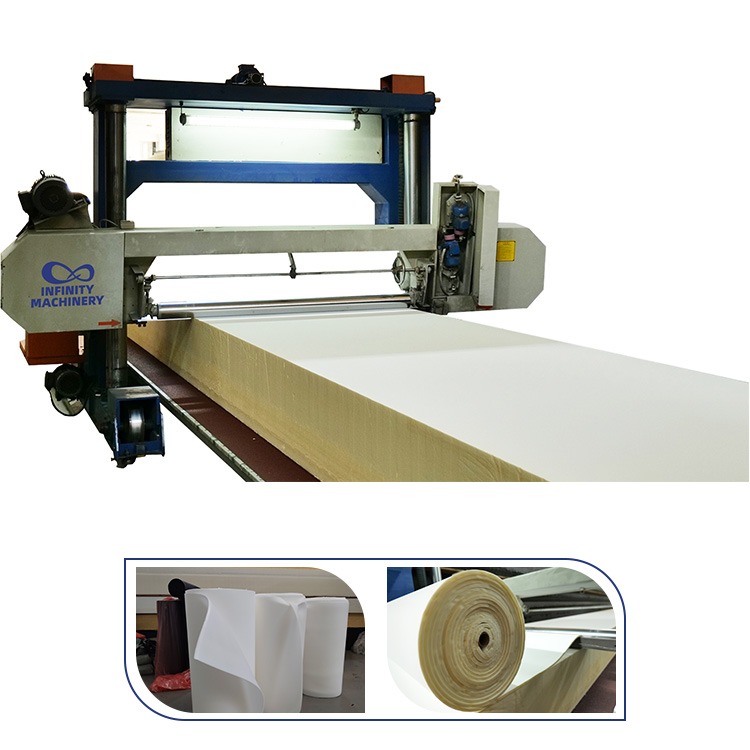
The foam trim waste is the quietest cost in the mattress factory, and the slicing line is where it leaks. The foam block is sliced into the mattress layers, and every slice leaves the trim: the front and the back offcuts, the side trims, the end cuts and the pieces that miss the tolerance, and the typical factory loses the 2 to 5 percent of the block weight to the trim that goes to the dumpster or the shredder. The top sponge plants do not accept the loss, they engineer it out: the slicing accuracy is tightened so the trim gets thinner, the cutting plan nests the pieces so the block yields more, and the trim that is left is re-used in the rebond, the pillow fill and the side bolster loops instead of the waste stream. The waste reduction is the two-sided win: the foam is the largest material cost in the mattress, so the block that yields more cuts the material cost directly, and the trim that is re-used becomes the new product line instead of the disposal fee. This guide walks the waste math, the slicing accuracy gains, the edge re-use loops and the machine cases that cut the trim waste by the 80 percent, and the plan that top plants run. The IF-LT1650/2450 Horizontal Long Track Foam Cutting Machine, the IF-YX01/YX02 Profile Sponge Cutting Machine and the Foam Boring Machine are the machine cases this guide maps.
The trim waste question is the material cost question of the mattress line, and the answer needs the honest accounting before the fix. The foam block is the largest single material input in the mattress, so the percentage of the block that becomes the trim is the percentage of the material budget that earns nothing. The typical slicing line loses the 2 to 5 percent of the block weight to the trim: the leading and the trailing offcuts of each slice, the side strips where the block width exceeds the mattress width, the end caps of the block and the rejects that miss the tolerance, and the loss compounds across the day because the factory slices dozens of blocks to feed the line. The cost is double: the trim that goes to the dumpster pays the disposal fee on top of the material cost already paid, and the trim that goes to the shredder pays the energy to grind the foam that should have become the mattress; the waste is the material plus the disposal plus the energy. The hidden cost is the yield: the factory that buys the block by the kilogram and ships the mattress by the unit needs the yield per block, and the factory with the 5 percent trim loss needs the 5 percent more blocks to ship the same output, the extra purchases that the tighter slicing removes. The waste question is the yield question, and the yield is where the top plants compete on the cost that the competitors never see.
The table shows the four waste streams, and the fix targets each stream at its source.
The 80 percent reduction is the sum of the four waste streams each cut at the source, and the math shows the path. The slice offcuts shrink with the accuracy: the slice that misses the tolerance by the 2 millimeters gets trimmed to the spec, while the slice cut to the <1 millimeter tolerance needs no trim, so the accuracy gain removes the largest stream. The side strips shrink with the block selection: the block width is matched to the mattress widths of the product mix, and the factory that cuts the standard 180 centimeter mattresses from the 183 centimeter blocks trims the 3 centimeters per slice while the matched block trims near zero; the block mix change is the second stream. The end caps shrink with the cutting plan: the block is sliced in the continuous run with the ends planned into the last part, and the factory that plans the end cap into the bolster or the pillow block converts the cap from the waste into the product. The rejects shrink with the machine: the automated slicing holds the constant thickness across the block, while the manual blade drifts with the operator and the heat, and the reject rate drops with the CNC control. The four streams together account for the 2 to 5 percent loss, and the top plants cut each stream by the 70 to 90 percent, which lands the total reduction at the 80 percent; the 80 percent is the four fixes running together.
The before and after table is the 80 percent path, and each row is a fix the top plants already run.
The slicing accuracy is the first lever of the waste reduction, and the tolerance is the number that decides the trim. The slice thickness spec comes from the mattress design, the 5 centimeter comfort layer or the 2.5 centimeter transition layer, and the slice that comes out thin misses the spec and gets re-sliced or discarded; the blade that drifts thick gives the extra foam that the trim knife removes. The manual slicing blade drifts for the three reasons: the operator pressure varies across the long cut, the blade heat expands the steel and the cut wanders, and the foam density variation pushes the blade off the line; the drift is the 2 to 5 millimeter variance that becomes the trim. The CNC slicing holds the tolerance: the servo-controlled blade feed holds the constant speed and the constant depth, the blade tracking corrects the drift in real time and the cut lands within the <1 millimeter across the whole block; the tolerance gain is the trim that never happens. The accuracy also saves the re-work: the slice that lands on the spec goes straight to the quilting line, while the slice that misses the spec waits for the re-slice and the trim, so the accurate slicing cuts the queue as well as the waste. The accuracy lever is the machine decision, and the machine that holds the <1 millimeter tolerance is the first fix the top plants make.
Manual drift: operator pressure, blade heat and density variation push the cut 2-5mm off | CNC control: servo feed holds constant speed and depth, real-time tracking lands <1mm | Tolerance gain: the trim never happens on the slices that land on spec
The edge re-use loops are the second half of the 80 percent, and the loops convert the unavoidable trim from the cost into the revenue. Loop one is the rebond loop: the offcuts and the trim feed the foam crusher and the rebonding line, where the chips are bonded into the rebond foam blocks for the mattress bases and the toppers, and the rebond product sells at the margin that turns the trim from the disposal fee into the income; the rebond loop is the classic recovery that the sponge plants run at scale. Loop two is the pillow fill loop: the soft trim and the edge pieces feed the fiber and the fill processing line, where the pieces are shredded into the pillow fill and the cushion fill, and the fill product uses the trim that the mattress could not; the fill loop takes the off-spec and the soft scraps that the rebond cannot. Loop three is the bolster and the side pad loop: the end caps and the thick offcuts are cut into the bolsters, the side pads and the protective edge pieces, and the profile cutting machine shapes them into the finished accessory products; the profile loop is where the IF-YX01/YX02 cuts the nesting that maximizes the parts per trim piece. The three loops together give the trim the three exits: the rebond for the base material, the fill for the soft scrap and the profile for the shaped parts, and the plant that runs the three exits sends the near zero to the dumpster. The loops are the second lever, and the plant that couples the accuracy lever with the re-use loops reaches the 80 percent.
The machine cases show the waste reduction in the hardware, and the three machines cover the slicing and the re-use line. The IF-LT1650/2450 horizontal long track cutting machine is the slicing yield case: the long track guides the blade across the full block length, the accurate feed holds the constant slice thickness and the machine cuts the large blocks with the minimal trim, so the factory that upgrades the manual saw to the long track machine cuts the slice offcut stream at the source. The IF-YX01/YX02 profile sponge cutting machine is the nesting case: the machine cuts the shaped profiles and the contoured parts directly from the block, the parts nest on the material in the optimized arrangement and the leftover between the profiles shrinks, so the factory that profiles the bolsters and the pads in-house converts the end caps and the thick offcuts into the shaped products. The foam boring machine is the re-use case: the machine drills and peels the round foam pieces from the block and the trim, producing the round cores and the peeled sheets for the accessories, and the machine turns the boring scrap into the round product line; the boring case is the third loop made mechanical. The three machines run the accuracy-nesting-reuse chain: the long track cuts the thin slices, the profile machine nests the parts and the boring machine re-uses the round cores, and the chain is the hardware version of the 80 percent plan.
The machine table is the hardware plan, and the three machines cover the slicing and the re-use of the foam line.
The waste reduction plan reaches the 80 percent in six steps, run over the quarter and then maintained on the monthly review. Step 1: the waste audit, weighing the block input, the slices shipped and the trim by stream for the week, and computing the loss percentage and the yield per block; the audit is the baseline the plan measures against. Step 2: the accuracy upgrade, matching the slicing machine to the tolerance: the CNC long track for the <1 millimeter control, the blade maintenance on the existing machine and the operator calibration on the set points; the accuracy lever is the first and the largest fix. Step 3: the block plan, matching the block dimensions to the mattress widths, planning the end caps into the bolster and the pillow blocks and ordering the block mix that nests the product plan; the block plan cuts the side and the end streams without the new equipment. Step 4: the re-use loops, starting the trim collection by the stream, feeding the rebond line and the fill processing with the offcuts and setting up the profile cutting for the bolster parts; the loops convert the unavoidable trim into the revenue. Step 5: the machine fit, adding the profile sponge cutting for the shaped parts and the boring machine for the round products where the volume justifies, and matching the re-use capacity to the trim volume; the machine fit is the scale-up of the loops. Step 6: the yield review, weighing the trim weekly, tracking the yield per block against the baseline and adjusting the block plan and the loops by the data; the review keeps the line at the 80 percent, and the line that holds the yield is the line that cuts the largest material cost of the mattress.
The IF-LT1650/2450, the IF-YX01/YX02 and the foam boring machine cover the slicing accuracy and the re-use loops of the foam line, and the six-step plan reaches the 80 percent trim reduction in your factory. Contact our foam cutting team for the waste audit, the machine fit recommendation and the re-use loop setup that turns your trim into the yield.
Contact our foam cutting team today for the waste reduction package: the trim audit template, the slicing accuracy check and the edge re-use loop setup that turns your foam trim into yield.