The compressed air question starts with the pipe that every factory ignores, and the compressed air is the most expensive utility in the plant. The air compressor converts the electricity into the compressed air at the low efficiency: the compression heat, the motor losses and the drying eat the energy before the air reaches the machine, so the delivered air costs the multiple of the electricity that runs the compressor. The waste multiplies the cost: the leaks hiss the air out of the fittings and the hoses, the pressure set too high forces the compressor to run harder and the compressor idles during the lunch breaks and the shift gaps, and the three losses add the twenty to forty percent to the air bill without adding a single mattress to the output. The audit is the answer: the leak test at the quiet hour, the pressure check at the machine end and the idle log across the shift find the losses, and the fixes repay in the months. The machine angle is the alternative: the IF-P130-2 Double Wire Pocket Spring Machine runs without the air compressor, the IF-BA Automatic Bonnell Spring Assembling Machine and the IF-Q-1200 Computerized Quilting Machine define the air footprint the audit measures, and the guide maps the losses to the bill.
The leak loss is the first and the biggest waste, and the hiss that never stops runs behind every machine. The leak sources are the fittings, the hoses and the regulators: the quick-couplings wear with the daily connect and disconnect, the hose clamps loosen with the vibration and the cylinder seals degrade with the cycles, and each small leak hisses the air out at the rate proportional to the hole size; the small leaks are the invisible drips. The leak math is the surprise: the three-millimeter hole leaks the compressed air worth the hundreds of dollars a year, the typical factory floor holds the dozens of small leaks and the total leak share reaches the twenty to thirty percent of the compressor output, so the leaks alone can fund the compressor replacement; the leak share is the biggest single line. The detection is the challenge: the leaks hiss too quietly to hear over the machines, the soapy water test finds the leaks near the fittings but misses the buried hoses and the quiet-hour test is the reliable method, so the factory that never tests does not see the loss; the detection is the first fix.
The pressure loss is the second waste, and the higher pressure is not better because the power follows the pressure. The pressure-power rule is the math: the compressor power rises with the discharge pressure, the one bar of reduction cuts the power by the six to eight percent and the plant that runs the system at the eight bar when the machines need the six bar pays the extra every hour; the pressure rule is the constant cost. The over-pressure sources are the habits: the operator sets the regulator high to feel safe, the pressure drops at the far machine because of the undersized pipe and the plant raises the compressor pressure instead of the pipe size, so the over-pressure compensates for the distribution problem with the energy; the over-pressure is the habit cost. The machine-end check is the fix: the pressure is measured at the machine inlet, not at the compressor, the regulator is set to the machine requirement plus the small margin and the undersized pipe is the distribution fix instead of the pressure bump, so the machine-end check cuts the pressure without the machine complaints; the check is the pressure cure. The per-machine tuning is the third step: the spring machines and the quilting machines each specify the working pressure, the tuned regulators hold the machine pressure and the plant runs the compressor at the lowest pressure that satisfies the highest machine, so the tuning matches the pressure to the demand; the tuning is the final pressure saving.
The idle loss is the third waste, and the compressor that never sleeps runs through the breaks and the gaps. The idle pattern is the schedule: the compressor cycles on and off with the air demand, the lunch break and the shift change drop the demand but the compressor keeps cycling to hold the pressure and the night cleaning crew uses the air for the blowguns, so the compressor runs the thirty to fifty percent of the time without the production; the idle share is the schedule cost. The timer and the sequencer are the first fix: the compressor control stops the unit when the demand disappears for the set minutes, the multiple compressors sequence the load so the second unit only starts at the peak and the restart delay protects the motor, so the control cuts the idle running without the pressure loss; the control is the idle cure. The blowgun habit is the second fix: the open blowguns use the air freely, the hand-trigger nozzles cut the flow and the compressed air for the cleaning is replaced by the blowers where possible, so the usage habit cuts the demand the compressor serves; the habit is the demand fix. The night check is the third fix: the plant logs the compressor run time against the production hours, the night and the weekend run time shows the hidden idle and the shut-off procedure covers the end-of-shift, so the log finds the idle that the schedule hides; the log is the idle witness.
The audit finds the three losses in one quiet hour, and the test, the check and the log are the three steps. The leak test is the first step: the plant shuts the machines at the quiet hour, the compressor is stopped, the system pressure is noted and the pressure drop over the ten minutes shows the leak rate, with the big drop meaning the big leaks; the leak test quantifies the hiss. The pressure check is the second step: the gauge measures the pressure at the compressor and at the far machine inlet, the difference shows the distribution loss and the machine-end readings show the over-pressure the plant does not need, so the check separates the pressure waste from the pipe problem; the check quantifies the pressure. The idle log is the third step: the compressor run time is logged against the production hours for the week, the breaks and the nights show the idle share and the log gives the base for the timer and the sequencer savings, so the log quantifies the idle; the log closes the audit. The audit report is the output: the leak share, the pressure reduction and the idle hours each carry the dollar value, the fix list ranks the repairs by the payback and the total saving lands at the ten to fifteen percent of the compressed air bill, so the audit turns the invisible utility into the measured line; the report is the action plan.
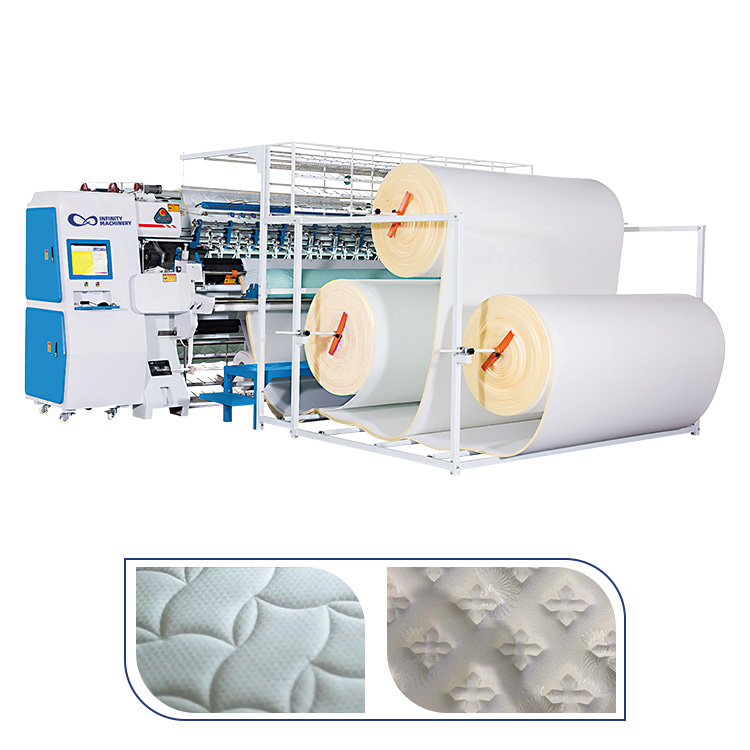
The machine angle cuts the air demand at the source, and the air-free machine and the air footprint define the alternatives. The air-free case is the IF-P130-2 Double Wire Pocket Spring Machine: the servo-driven wire feed and the CNC tensioning run without the pneumatic cylinders, the machine needs no air compressor and the pocket spring line eliminates the compressed air demand instead of leaking it, so the air-free machine is the cleanest answer to the waste; the air-free case is the zero. The assembly case is the IF-BA Automatic High Speed Bonnell Spring Assembling Machine: the pneumatic tying heads and the transfer cylinders define the air footprint of the spring line, the regulated pressure and the tuned cylinders keep the air use to the work and the machine is the case the audit measures; the assembly case is the air consumer. The quilting case is the IF-Q-1200 Computerized Chain Stitch Quilting Machine: the servo-driven feed and the pattern control run the line without the heavy air demand, and the quilting floor keeps its compressed air use to the light auxiliary functions; the quilting case is the light footprint. The buying angle is the strategy: the plant that replaces the air-hungry machines with the servo-driven ones cuts the compressor size for the next expansion, and the compressed air bill drops with the machine fleet; the machine mix is the long-term answer.
The compressed air waste case closes with the three losses and the audit that finds them: the leaks hiss away the twenty to thirty percent of the output, the over-pressure costs the six to eight percent per unnecessary bar and the idle compressor runs through the breaks and the nights, and the three losses add the twenty to forty percent to the air bill. The quiet-hour audit, the machine-end pressure check and the run-time log turn the invisible utility into the measured line, the fixes repay in the months and the machine mix that moves to the servo-driven and air-free units cuts the demand at the source. The compressed air cure is the fastest unclaimed saving in the mattress factory, and the audit is the one quiet hour that pays for itself. Contact our team for the compressed air audit worksheet, the leak-test procedure and the machine specification sheet that shows which lines run without the compressor.
Contact today for the compressed air audit worksheet, the quiet-hour leak-test procedure and the machine specification sheet that shows which lines run without the air compressor.