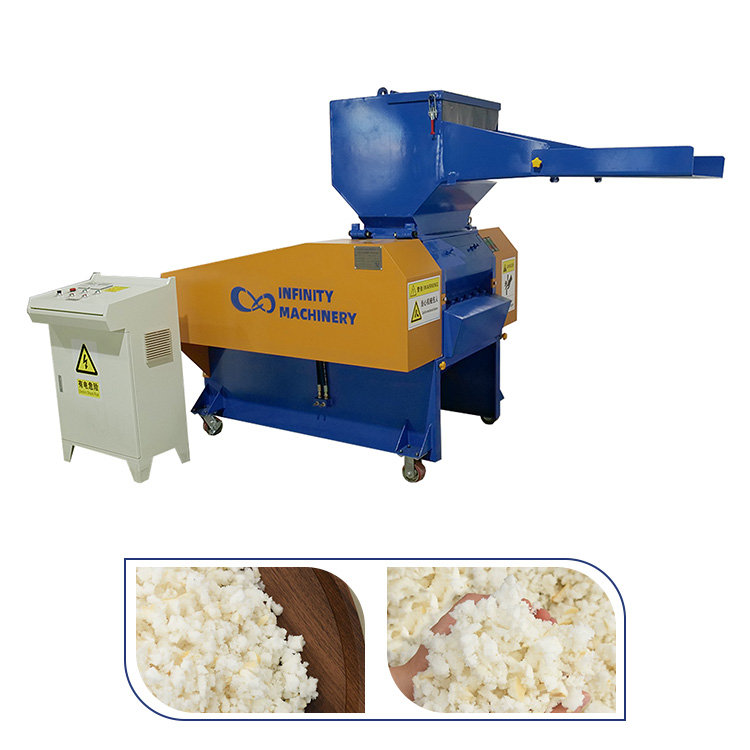
The mattress factory pays the electricity bill for the machines that run, and it also pays for the machines that are supposed to be stopped. The quilting machine idles between the batches with the motors and the drives still on, the tape edge machine waits for the operator with the sewing head running, the foam crusher finishes the batch and keeps the conveyor turning, and the idle machines draw the power that produces nothing, shift after shift, line after line. The factory that maps the idle time finds the twenty to the thirty percent of the shift when the machines draw the current without the product, and the fix is the combination of the auto-standby, the variable drives and the operator habit. The IF-QS-26 Computerized Single-Head Quilting Machine, the IF-T2 Semi-Auto High Speed Mattress Tape Edge Machine and the IF-FFS3 Crushing Foam Machine are the machines whose power profile the factory measures, maps and cuts.
The power bill of the mattress factory has the few big drawers and the many small leaks, and the factory that maps the consumption knows where the money goes. The motors are the first consumer: the quilting machines, the tape edge machines, the cutters and the conveyors all run the electric motors, and the motors are the largest share of the factory power, so the motor hours are the first target. The compressed air is the second consumer: the air compressor runs the cylinders and the valves across the line, and the compressor is the heavy, continuous load that draws the power even when the line is light, so the air leaks and the oversized compressor waste the power around the clock. The heating is the third consumer: the glue pots, the sealing plates and the film heaters draw the current to hold the temperature, and the heaters run through the breaks and the changeovers to keep the temperature ready, wasting the power during the idle minutes. The lighting and the auxiliary are the fourth consumer: the workshop lighting, the fans, the pumps and the computers add the constant load, and the lighting that stays on through the empty areas and the pumps that run without the demand are the small leaks that add up. The compressed air, the heating and the auxiliary together with the motors make the factory profile, and the profile shows the split between the productive power and the idle power. The mapping rule: the motors, the air, the heating and the auxiliary are the four drawers of the power bill, and the factory that meters the four sees the productive share and the wasted share of every kilowatt-hour.
The idle-time drain is the largest invisible cost in the power bill, and the machines that run empty between the batches are the heart of the drain. The batch gap is the first gap: the quilting machine finishes the panel and waits for the next material load, but the sewing head and the drives stay on during the wait, and the five-minute gap repeated twenty times a shift is the hour and a half of the running-empty power. The operator wait is the second gap: the tape edge machine waits while the operator moves the mattress, adjusts the corner or checks the stitch, and the machine that waits with the motors on draws the power for the waiting minutes. The changeover is the third gap: the line changes the size or the model, the changeover takes the minutes, and the machines that stay on during the changeover burn the power for the setup that produces nothing. The break and the lunch are the fourth gap: the production stops for the breaks, but the machines, the compressors and the heaters stay on through the break, and the break power is the pure waste that the schedule can avoid. The end-of-shift is the fifth gap: the last orders finish, the operators leave the machines on for the next shift or the cleanup, and the after-hours running adds the hours of the unproductive power every day. The drain rule: the batch gap, the operator wait, the changeover, the break and the end-of-shift add to the twenty to the thirty percent of the shift, and the factory that switches the machines off in the gaps converts the drain into the saving.
The standby economics is the engineering half of the energy fix, and the auto-standby and the variable drives turn the idle time into the near-zero power. The auto-standby is the first device: the modern machine enters the standby after the set idle seconds, the drives and the heaters drop to the low power or the off state, and the machine wakes on the next command, so the batch gap and the operator wait draw the standby power instead of the running power. The variable frequency drive is the second device: the VFD runs the motor at the speed the job needs instead of the fixed full speed, the quilting slows for the light fabric and the conveyor runs at the load pace, and the reduced speed draws the reduced power, cutting the motor consumption by the fifth or more. The power-off switch is the third device: the machine that is fully switched off at the break and the changeover draws zero, and the scheduled switch-off of the compressors and the heaters at the break saves the continuous load that the standby still draws. The demand control is the fourth device: the factory staggers the machine starts to avoid the demand spike, the compressor and the heavy motors start in the sequence, and the leveled demand lowers the peak charge on the bill. The machine choice is the fifth device: the machine with the efficient drive, the servo motors and the energy-aware standby is the machine that costs less to run, and the factory that buys the efficient machine builds the saving into the purchase. The standby rule: the auto-standby, the VFD, the power-off, the demand control and the machine choice together cut the idle power by the twenty percent or more, and the factory that applies the five keeps the machines productive or off, never running empty.
The per-line power plan gives each machine its own energy protocol, and the quilting, the tape edge and the foam preparation each get the plan that fits their duty. The quilting plan is the first part: the computerized quilting machine runs the high speed during the production and drops to the standby in the batch gap, the sewing head stops between the panels and the fabric feed pauses, and the plan sets the standby delay so the machine does not cycle between the runs, and the plan for the quilting line cuts the running-empty hours without slowing the output. The tape edge plan is the second part: the semi auto tape edge machine works at the operator pace, so the plan coordinates the machine on and off with the operator movement, the head stops when the operator adjusts the corner, and the plan avoids the machine waiting with the motors on. The foam preparation plan is the third part: the crushing foam machine is the heavy motor load that runs for the batch, so the plan batches the crushing work, stops the machine between the batches and runs the conveyor only during the feed, and the plan cuts the heavy motor hours of the foam line. The shared services plan is the fourth part: the compressor and the lighting serve the whole line, so the plan schedules the compressor to the production windows, the lighting zones to the active areas and the heaters to the operating machines, and the shared plan removes the constant waste. The review cycle is the fifth part: the plan is reviewed against the meter every month, the machines that still idle are adjusted and the savings are tracked, so the plan keeps improving with the measured data. The plan rule: the quilting, the tape edge, the foam preparation and the shared services each get the energy protocol, and the factory that runs the per-line plan cuts the idle power at every station.
The measurement and the habit are the final half of the energy saving, and the meters and the targets turn the engineering into the routine. The meter is the first tool: the factory meters the power per line or per machine, the meter shows the kilowatt-hours per shift and the idle share, and the measured number makes the saving visible and the waste undeniable. The target is the second tool: the factory sets the energy target per mattress or per shift, the target is published on the line board, and the operators see the gap between the actual and the target every day, so the energy becomes the managed metric like the output and the quality. The routine is the third tool: the switch-off at the break, the standby at the gap and the compressor off at the end of the shift become the standard procedure, the checklist is posted at the machine, and the routine removes the dependence on the individual memory. The review is the fourth tool: the monthly review reads the meters, compares the lines and names the best and the worst, and the review keeps the saving visible and the attention on the idle hours. The culture is the fifth tool: the factory pays the bonus for the metered saving, the operators propose the switch-off points and the small wins are celebrated, and the culture turns the energy saving from the project into the way the factory runs. The measurement rule: the meter, the target, the routine, the review and the culture together keep the idle power low and the saving permanent, and the factory that measures the energy manages the energy.
Contact our team for the power mapping and the IF-QS-26, IF-T2 and IF-FFS3 options with the efficient drives for your energy plan.