

1. The Shift from Mechanical Cams to Servo Precision
Drive ArchitectureTraditional legacy spring coiling equipment relied heavily on complex mechanical cam assemblies, gears, and clutches to govern wire feeding and knot formation. Over time, physical wear on these mechanical components introduces backlash, leading to inconsistent spring heights, loose knots, and frequent machine stoppages that degrade overall plant efficiency.
Engineering Analysis:
- Kinematic Friction & Wear: Cam-driven linkages suffer from thermal expansion and mechanical slack, resulting in cumulative positioning errors during high-speed multi-shift operations.
- Technical Solution: Implementing independent multi-axis servo motors allows direct digital synchronization of wire feed, coiling diameter, and knotting heads, eliminating physical backlash entirely.
2. Mastering CNC Pitch Control for Variable Spring Geometries
Pitch CalibrationProducing modern zoned pocket and bonnell springs requires dynamic adjustment of coil pitch on-the-fly to achieve varying firmness levels within a single unit. Advanced CNC pitch control mechanisms regulate the exact angle and spacing of the wire feed roller, ensuring precise coil geometry without manual intervention.
Operational Parameter:
- Coil Uniformity Factor: Manual pitch adjustment creates unacceptable deviations in spring tension and compression ratings across different production batches.
- Technical Solution: Real-time closed-loop feedback algorithms adjust pitch parameters instantly, ensuring uniform spring performance and strict compliance with ergonomic load specifications.
3. High-Speed Servo Knotting and Wire Termination
Knotting MechanicsThe knotting phase is traditionally the primary bottleneck in spring core manufacturing, prone to wire jamming and imperfect closures when operating at elevated cycle speeds. Servo-driven knotting heads execute high-torque rotational sweeps that secure terminal wire ends cleanly and consistently.
Mechanical Stability:
- Torque Fluctuation: Sudden mechanical loads during wire clipping and knot bending cause motor stalling and high scrap rates on older analog machinery.
- Technical Solution: High-resolution servo drives deliver programmable torque profiles, guaranteeing secure knot locking while protecting cutting tools from impact fatigue.
4. Eliminating Material Fatigue and High-Tensile Scrap
Material IntegrityHigh-carbon spring steel wire demands precise handling to prevent micro-fracturing and tensile degradation during rapid coiling and bending. Inaccurate feeding speeds and abrupt mechanical braking generate excessive internal stress, causing deformed coils and costly raw material waste.
Material Property:
- Tensile Stress Concentration: Abrupt mechanical indexing induces metal fatigue, compromising the long-term durability and load-bearing resilience of the finished mattress core.
- Technical Solution: Smooth acceleration and deceleration profiles programmed via CNC controllers preserve the molecular integrity of high-tensile steel wire throughout the forming cycle.
5. Seamless Integration into Smart Factory Ecosystems
Factory AutomationModern manufacturing plants require real-time data visibility and remote parameter adjustments to minimize setup times when switching between different mattress specifications. Isolated legacy machinery creates operational silos that hinder plant-wide productivity tracking and predictive maintenance.
System Integration:
- Data Isolation: Analog control panels lack diagnostic feedback, forcing operators to rely on trial-and-error troubleshooting during product changeovers.
- Technical Solution: Integrating advanced coiling units into a broader smart factory infrastructure enables remote recipe downloading, automated output logging, and proactive error detection.
6. Minimizing Maintenance Downtime and Tooling Wear
Maintenance ProtocolFrequent adjustments of cams, springs, and mechanical linkages consume valuable technician hours and keep high-output lines idle. Minimizing wear points through direct-drive engineering significantly reduces scheduled and unscheduled maintenance overhead.
Diagnostic Factor:
- Component Longevity: High friction in mechanical gearboxes accelerates wear, necessitating frequent replacement of bearings, cams, and mechanical clutches.
- Technical Solution: Brushless servo motors and direct-drive gear trains drastically reduce internal moving parts, extending service intervals and simplifying routine lubrication routines.
7. Maximizing Profit Margins Through Lower Cost-Per-Bed
Economic ROICapital investment in modern automated coiling machinery directly impacts the bottom line by accelerating output speed, reducing labor dependency, and eliminating material waste. Plant owners achieve rapid payback periods by scaling daily bed output while lowering operational expenses.
Financial Metric:
- Labor & Yield Optimization: High labor overhead and excessive material scrap inflate the production cost per mattress, eroding competitive pricing power in retail markets.
- Technical Solution: Doubling output speeds with zero-defect automated servo coiling drastically reduces labor headcounts per shift, maximizing overall gross profit margins.
Essential Machinery for Scaling Production

Features full servo control across all three axes and a self-contained border slitting device, delivering high-speed, precise quilting for high-volume mattress plants.
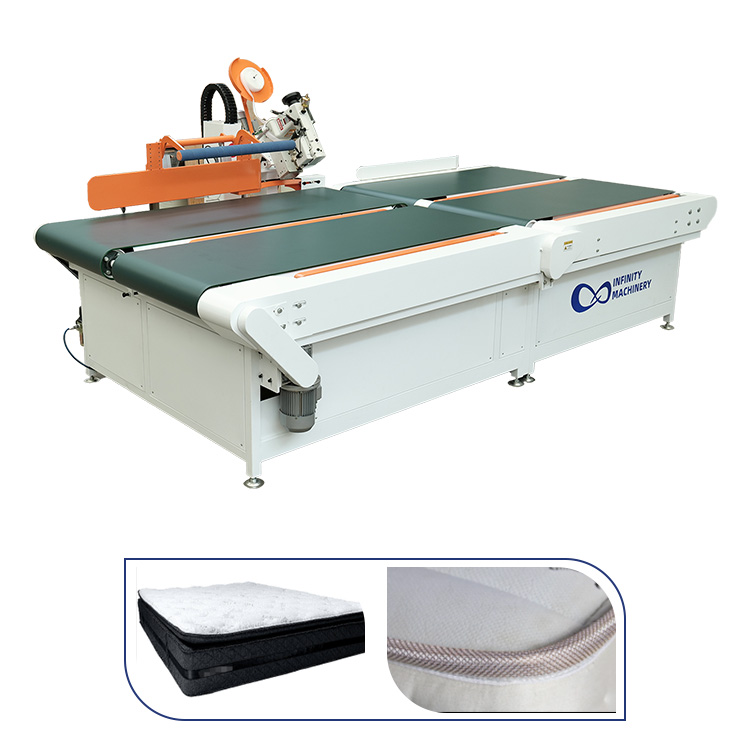
Equipped with an integrated robotic arm and PLC control, automating corner turning and tape edging to eliminate bottlenecks and reduce labor intensity.
Strategic Investment Perspective
Transitioning from legacy mechanical coiling to advanced servo-driven knotting and CNC pitch control is no longer optional for competitive bedding manufacturers. By eliminating mechanical slack, reducing wire scrap, and maximizing hourly output, factory owners secure a sustainable reduction in cost-per-bed and ensure long-term manufacturing profitability.
Ready to Upgrade Your Factory Line?
Contact our engineering consultants today to discuss custom plant automation and high-speed machinery solutions.

