

1. Assessing Factory Floor Space and Layout Optimization
Layout PlanningFactory floor space is a premium asset that directly influences workflow efficiency and operational overhead. Upgrading from legacy equipment requires analyzing footprint ratios to ensure modern automated mattress machinery fits seamlessly without disrupting adjacent production lines.
Footprint Evaluation
- Spatial Footprint: Measuring exact square footage requirements against existing clearance margins to prevent production bottlenecks.
- Technical Solution: Deploying compact, modular machinery designs that maximize output per square meter without requiring expensive facility expansions.
Material Flow
- Workflow Continuity: Eliminating zigzag transit paths between raw material staging and final packaging zones.
- Technical Solution: Integrating inline conveyor systems that streamline part movement and minimize manual handling overhead.
2. Analyzing Electrical Power Demands and Grid Stability
Electrical InfrastructureHigh-performance manufacturing plants must rigorously evaluate electrical loads to prevent grid instability and unexpected power surges. Transitioning to servo-driven machinery demands clear wattage and voltage verifications to support high-speed motors without overloading facility transformers.
Load Capacity
- Peak Electrical Draw: Calculating simultaneous motor startup surges against plant transformer limits.
- Technical Solution: Upgrading facility sub-panels and selecting energy-efficient servo drives to balance power consumption across multi-shift operations.
Energy Efficiency
- Power Factor Optimization: Identifying idle power waste associated with aging, inefficient legacy motors.
- Technical Solution: Adopting modern automated equipment with intelligent standby modes and high power-factor ratings to reduce monthly utility overhead.
3. Evaluating Throughput Metrics Versus Legacy Cycle Times
Capacity MetricsOutdated equipment severely limits daily output due to slow cycle times and frequent manual interventions. Plant directors must measure baseline throughput against high-speed automated alternatives to calculate exact daily bed yield per shift.
Cycle Time Analysis
- Bottleneck Identification: Pinpointing slow mechanical phases in legacy quilting or taping units that restrict hourly output.
- Technical Solution: Implementing high-speed industrial mattress machines featuring rapid acceleration and automated stitch adjustments.
Output Multiplication
- Shift Yield Targets: Projecting units produced per shift to satisfy expanding commercial distribution demands.
- Technical Solution: Utilizing multi-head or dual-beam systems that double active processing capacity without expanding labor headcounts.
4. Calculating Labor Reduction and Cost-Per-Bed Ratios
Financial ROIHeavy reliance on veteran operators for manual adjustments drives up labor overhead and introduces human error. Modern automated systems minimize headcount requirements while driving down the total manufacturing cost per mattress.
Labor Dependency
- Skill Scarcity Risk: Assessing financial exposure tied to costly, hard-to-find specialized machine operators.
- Technical Solution: Deploying user-friendly PLC touch-screen interfaces that allow routine operators to manage complex production cycles safely.
Margin Optimization
- Cost-Per-Bed Metrics: Calculating direct labor savings factored over the projected multi-year lifespan of new capital assets.
- Technical Solution: Standardizing zero-defect production output to eliminate costly material scrap and rework expenses.
Essential Machinery for Scaling Production
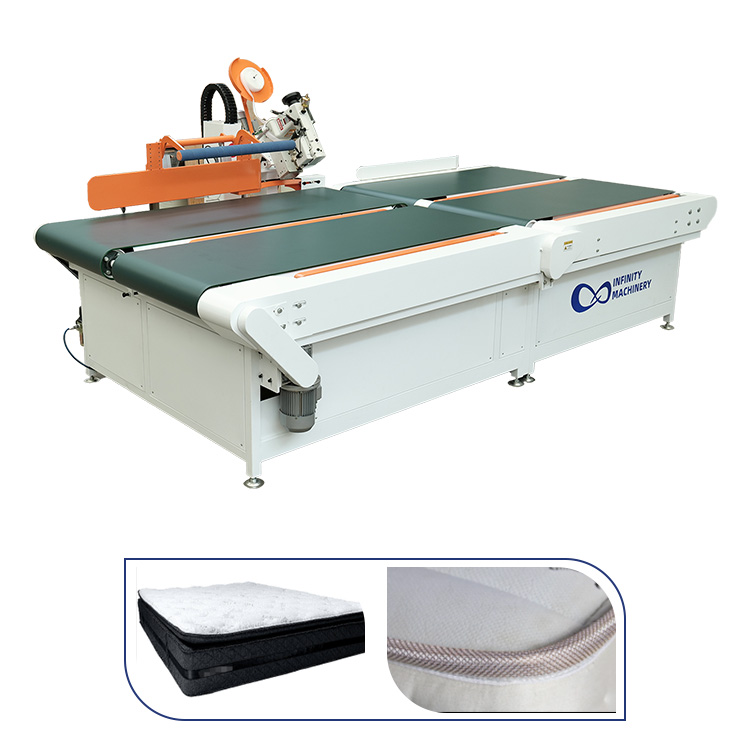
Totally automatic high-speed tape edge machine featuring automated rotation, flipping, robotic arm assistance, and PLC control to maximize throughput.

High-efficiency computerized single-needle quilting machine equipped with a German DURKOPP head and thread break detection for stable production.
5. Weighing Maintenance Simplicity Against Unplanned Downtime
Maintenance ReliabilityAging mechanical components frequently break down, causing expensive production halts and frustrating delays. Selecting durable machinery with accessible spare parts and simplified lubrication schedules ensures maximum operational uptime.
Component Wear
- Failure Rate Tracking: Monitoring frequency of mechanical breakdowns on legacy drive systems and obsolete gearboxes.
- Technical Solution: Investing in robust, precision-engineered assemblies featuring self-lubricating mechanisms and high-grade linear guides.
Maintenance Protocols
- Service Accessibility: Ensuring routine maintenance tasks can be completed rapidly between shifts without specialized downtime.
- Technical Solution: Standardizing modular parts and readily accessible service points to accelerate routine upkeep and minimize technician hours.
6. Integrating Automated Material Handling and Stacking
Workflow AutomationManual transfer between quilting, cutting, and taping stations creates severe bottlenecks on the factory floor. Integrating synchronized conveyor and stacking systems streamlines material transit and eliminates idle wait times.
Transfer Bottlenecks
- WIP Accumulation: Analyzing work-in-progress pileups between independent processing machines.
- Technical Solution: Deploying automated stacking and conveyor bridges that match machine processing speed precisely.
Synchronized Flow
- Line Balancing: Matching upstream quilting speed with downstream taping and packing capacities.
- Technical Solution: Implementing cohesive automation cells that communicate seamlessly via integrated programmable controllers.
7. Future-Proofing Plant CapEx for Scalable Growth
Strategic ExpansionCapital investments must accommodate future product diversification and rising volume demands without requiring secondary equipment overhauls. Scalable modular design guarantees long-term competitiveness in a rapidly evolving bedding market.
Scalability Index
- Volume Headroom: Ensuring equipment possesses sufficient speed and torque capacity to absorb projected 3-to-5 year demand increases.
- Technical Solution: Sourcing high-capacity machinery designed for upgradability and continuous multi-shift operation.
Modular Adaptation
- Product Flexibility: Evaluating machine adaptability across varying mattress thicknesses, quilting patterns, and border styles.
- Technical Solution: Selecting programmable multi-axis servo systems that easily reconfigure for new product lines without mechanical retrofitting.
Strategic Investment Summary
Replacing slow, legacy manual operations with automated, reliable equipment is the definitive strategy for reducing cost-per-bed, maximizing output per shift, and securing long-term factory profitability. Partnering with industry leaders like Infinity Mattress Machinery ensures your capital expenditure delivers measurable efficiency gains and sustainable competitive advantage.
Ready to Upgrade Your Mattress Manufacturing Plant?
Contact our engineering specialists today for customized plant layouts, technical specifications, and a tailored CapEx ROI analysis.


